Gi or No-Gi: What’s the Difference
Jiu-Jitsu can be trained in two formats: in a kimono (gi) and without one (no-gi). It’s the same sport, with the same core techniques. The difference is mostly in the clothing and in what you’re allowed to grip.
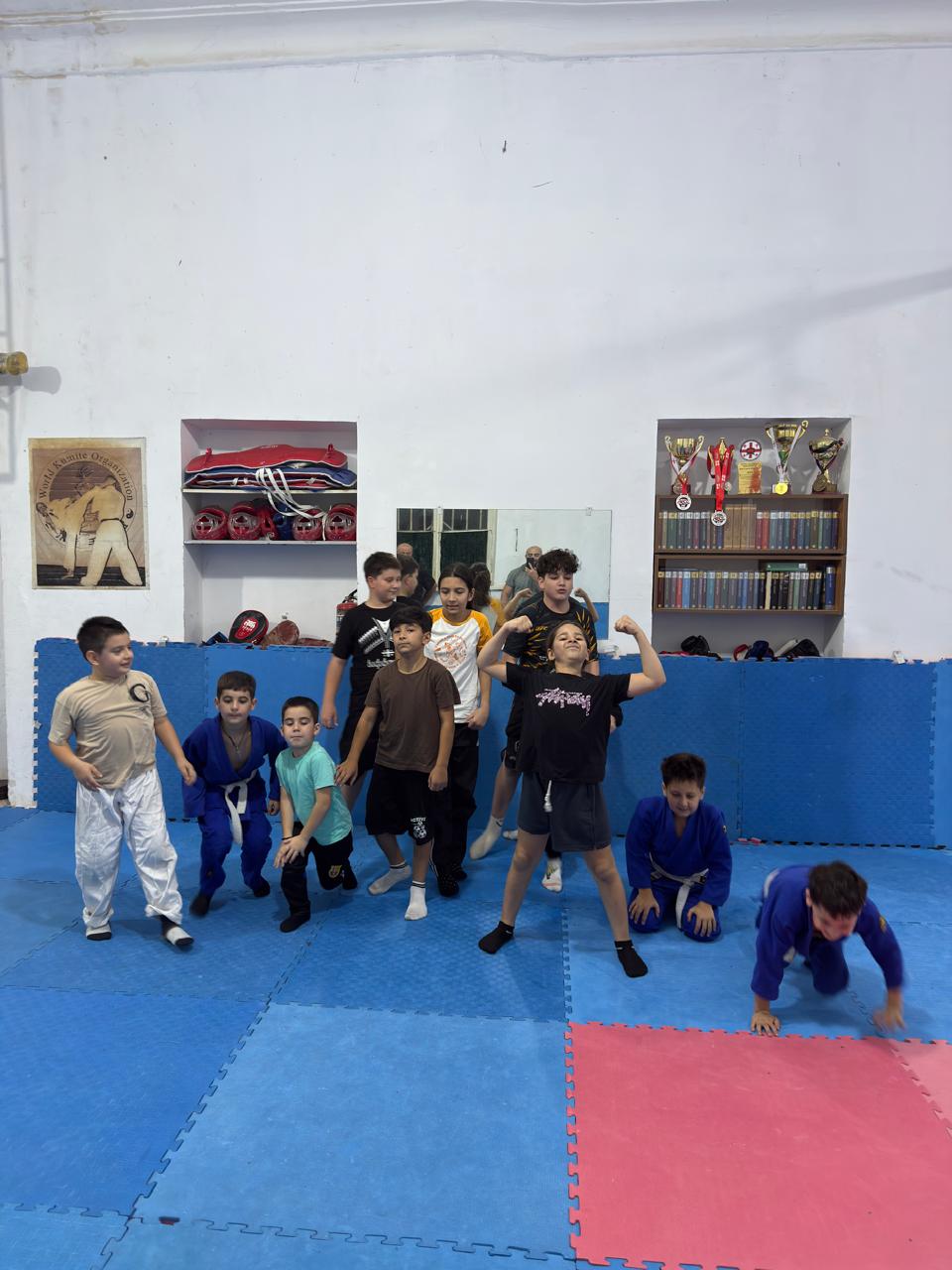
Gi: Training in a Kimono
“Gi” is the name for the kimono. It has three parts:
- A jacket
- Pants
- A belt
In gi you can grip your partner’s kimono: the collar, the sleeve or the pants. Many techniques are built around these grips.
No-Gi: Training Without a Kimono
“No-gi” means “without a kimono.” Athletes wear:
- A rash guard (a fitted athletic shirt)
- Shorts or leggings
In no-gi you can’t grip clothing. Athletes hold each other by the wrists, neck, torso and legs. No belt is worn in no-gi.
The Main Differences
| Gi | No-Gi | |
|---|---|---|
| Uniform | Kimono and belt | Rash guard and shorts |
| What you can grip | Clothing and the body | Only the body |
| Pace | Slower, with more control | Faster |
| Belt | Worn | Not worn |
In no-gi, positions change faster, because hands slip easily on a sweaty body. In gi, gripping the kimono lets you control your partner more firmly.
Which Is Better for Beginners
Neither is better than the other. Both teach the same foundation: positions, control, joint locks and chokes.
- Gi is often said to teach patience and precise technique, because movements are slower and more controlled.
- No-gi is often said to be closer to wrestling and to demand more speed.
Many clubs teach both formats, and many athletes train in both, because they complement each other. It’s best to ask the club which format they train on which day.
What to Buy
You don’t need to buy anything for your first class; regular sportswear is enough. If you keep training, you’ll need:
- For gi: a kimono and a belt
- For no-gi: a rash guard and shorts or leggings
Your training gear shouldn’t have pockets, buttons or metal parts. Always wash it after every session.
Gi and no-gi are two sides of the same sport. Whichever one you start with, what you learn there will help you in the other.
2 min read
Ready for your first class?
Book a free trial class on WhatsApp — we'll reply within minutes.
Book a Free Trial on WhatsApp