The Belt System in Brazilian Jiu-Jitsu
In Jiu-Jitsu, the color of your belt shows your level. There are two belt systems: one for adults and one for kids.
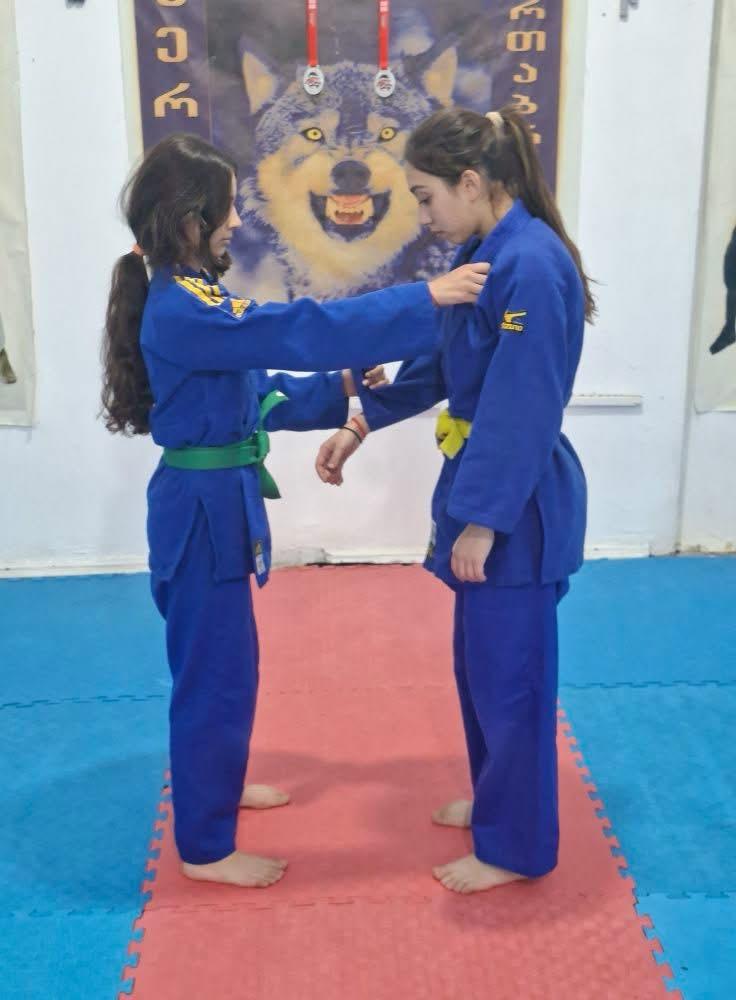
Adults: 5 Colors
From age 16, athletes wear adult belts. There are five of them, and they follow this order:
- White
- Blue
- Purple
- Brown
- Black
Everyone starts at white belt, regardless of age. A black belt can only be awarded from age 19.
Kids: 13 Belts
Kids under 16 have more belts, so they get to see their own progress more often. After white come four colors:
- Grey (from age 4)
- Yellow (from age 7)
- Orange (from age 10)
- Green (from age 13)
The age in parentheses is the earliest age at which that color can be awarded.
Each color has three levels. Grey, for example, is split into grey-white, grey and grey-black. Together with white, that makes 13 belts in total.
At 16, the athlete moves on to the adult system, and the coach chooses the right belt for them.
How Long It Takes
Under the rules of the International Brazilian Jiu-Jitsu Federation (IBJJF), an adult athlete has to hold each belt for at least the following time before receiving the next one:
- White: no mandatory minimum
- Blue: at least 2 years
- Purple: at least 1.5 years
- Brown: at least 1 year
These are only minimums. As a rule, every belt takes longer than that, and reaching black belt takes many years.
That said, a club may follow its own rules when awarding belts, as long as it keeps the essential parts of this system.
Kids' belts have no mandatory minimum time. When a child receives their next belt depends on their progress.
Stripes on the Belt
Stripes are added to the end of the belt. They show progress within a single belt: the more stripes an athlete has, the closer they are to the next belt. Adult belts usually carry up to four stripes.
Who Awards Belts
Belts and stripes are awarded by the coach. The coach looks at how well the athlete has mastered the techniques, how regularly they come to training, and how they behave in the gym.
The main rule is simple: your belt depends on discipline and regular training.
2 min read
Ready for your first class?
Book a free trial class on WhatsApp — we'll reply within minutes.
Book a Free Trial on WhatsApp