Your First Jiu-Jitsu Class: What to Expect and How to Prepare
Before a first class, almost everyone asks themselves the same questions: what do I wear, will I be able to keep up, will I be the weakest person in the room? That nervousness is completely normal, especially since Jiu-Jitsu looks pretty intimidating from the outside. But every experienced athlete who moves around the mat with confidence today once had exactly that same first day: white belt, confusion, and a long list of questions. A first class isn't a test, and nobody expects you to already know anything. Here's how to prepare and what a class actually looks like, so you can walk in relaxed.
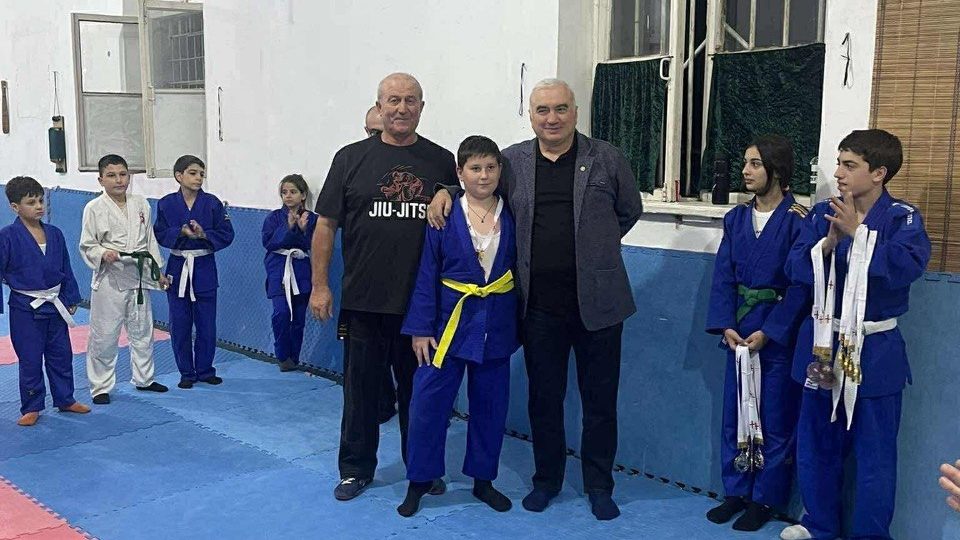
Before You Walk In
First, contact the club ahead of time and agree on when you'll come in. Also ask whether classes are done in a kimono (a "gi") or without one, in "no-gi" format. You don't need to buy a gi for your first class - regular sportswear is usually enough to start. Your best bet is a fitted t-shirt or rashguard with shorts or leggings. The important part is that your clothing has no buttons, pockets, or metal pieces - those can get in the way during training and can cause an injury to you or your partner. You'll train barefoot on the mat, so bring sandals for walking around off the mat, and don't forget water and a towel.
Hygiene and Food
Jiu-Jitsu is a contact sport, so hygiene here is part of respecting your training partners. Before class, trim your finger and toe nails, wear clean training clothes, take off rings, earrings, chains and watches, and tie back long hair. If you have a skin rash, an infection, or a cold, it's better to skip that class - it protects both you and everyone else. Think about food too: eat something light an hour or two beforehand, since rolling on the mat on a full stomach is pretty unpleasant.
How a Class Starts
Try to arrive 10-15 minutes early so you can change calmly and meet the coach. Let them know it's your first class, and mention beforehand if you have any injury or health condition. That way the coach can pick the right intensity for you and find you a suitable partner.
A class usually runs an hour to an hour and a half and opens with a warm-up: running, stretching, and movements specific to Jiu-Jitsu (like rolls, bridging, and hip movement on the mat). These movements will feel strange and awkward at first, but a large part of the technique is built on exactly them. If you get tired, you can take a break - there's nothing embarrassing about that.
Learning Technique
After the warm-up, the main part of class begins: the coach demonstrates a technique, and you slowly repeat it with a partner a few times. At this stage your partner barely resists, since the goal is for you to understand the movement correctly and let your body memorize it. In the beginning the details will blur together, and that's completely normal. Learning Jiu-Jitsu is a lot like learning a new language: words pile up one at a time before they eventually form sentences. Don't try to learn everything at once - it's enough to take away one or two key details from each class. If something doesn't make sense, don't hesitate to ask the coach or your partner.
Sparring and Tapping Out
Classes often end with sparring - free rolling where you test what you've learned in practice. Some clubs don't let beginners spar on their very first day, while others offer a light-paced roll with an experienced partner. If you don't feel ready, you can simply watch from the side.
The single most important thing to learn from day one is how to tap out. If a partner locks in a painful or choking submission, tap their body or the mat a few times (the "tap") and they'll release you immediately - don't wait for real pain to hit. If your hands are trapped, tap the mat with your foot or say out loud that you're tapping. When your partner taps, you must let go immediately too. Tapping isn't losing - it's a normal part of learning, and everyone does it, champions included.
After Class
The next day, you'll most likely be sore, especially around your neck, forearms, and core. That's your body's natural reaction to new demands, and it fades within a few days. Drink enough water and get a good night's sleep.
Don't let the fact that you're not physically in shape worry you either. As they say in Jiu-Jitsu, you don't need to be in shape to start - Jiu-Jitsu is what gets you in shape. The hardest step is stepping onto the mat for the first time, and once you've taken it, you're already halfway there. The rest just takes time and consistency, so the important thing is making sure your first class is followed by a second one. Who knows - one day you might even find yourself in the finals of a major championship.
4 min read
Ready for your first class?
Book a free trial class on WhatsApp — we'll reply within minutes.
Book a Free Trial on WhatsApp