A Child’s First Jiu-Jitsu Competition
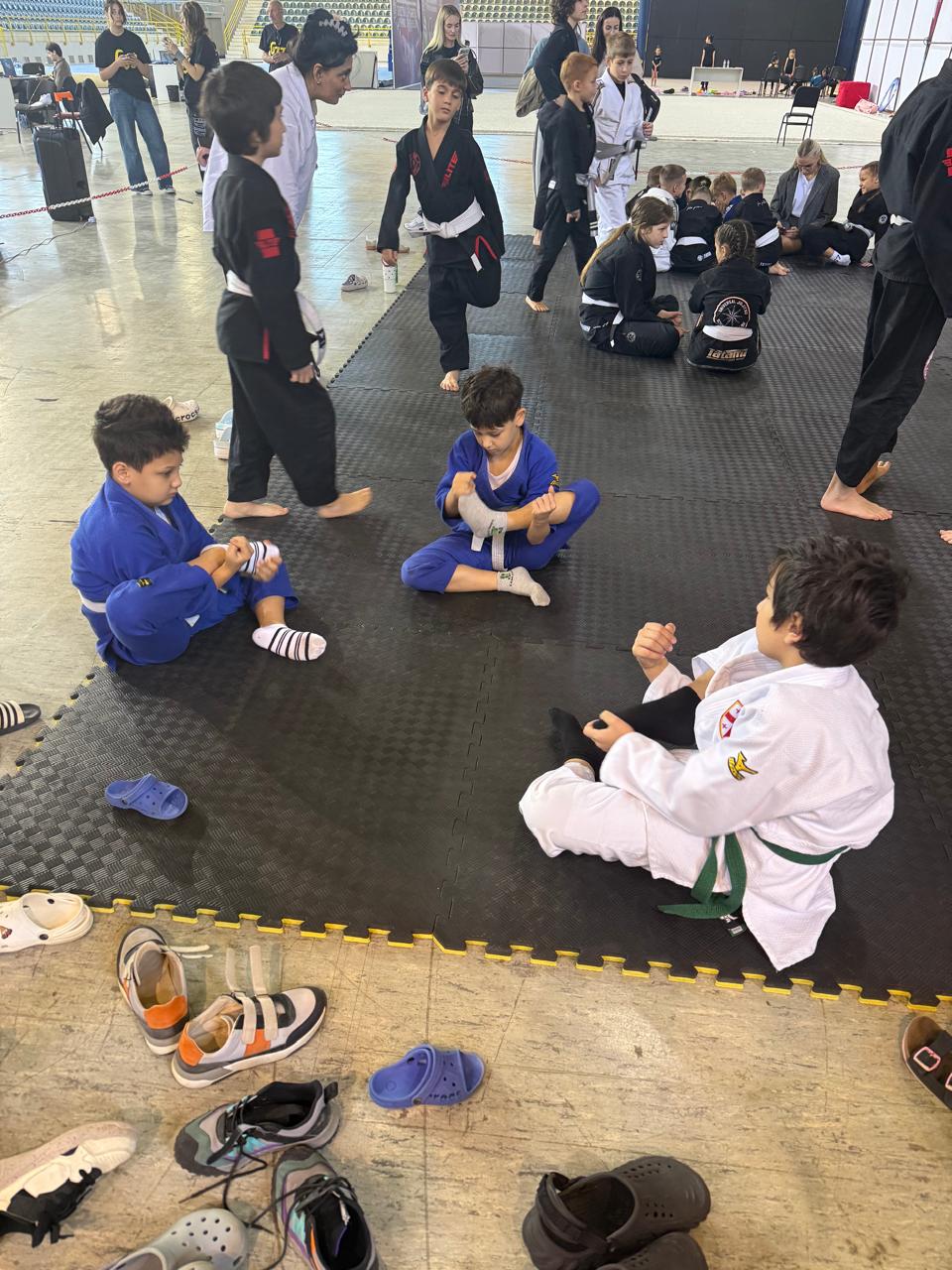
On the morning of their first competition, your child is a little different. They may be quieter than usual, unable to finish breakfast or, on the contrary, unable to stand still. The hall is full of unfamiliar faces, parents are sitting in the stands, and any moment now their name will be called. In these moments, fear and a strong wish to test their own strength take turns. This is completely normal. Every athlete has had a first day like this, including great champions.
Why Competing Is Worth It
In training, a child works with familiar partners. At a competition, for the first time they face an opponent they don’t know, and they see how much they have actually learned. This is where months spent in the gym turn into real experience.
But a competition isn’t only about technique. By stepping onto the mat, a child learns that you can be afraid and still take a step forward. They learn that losing is not the end and that next time will go better. They learn to respect their opponent and shake hands, whether they win or lose. These lessons will serve them well beyond the mat.
And most importantly, they don’t do it alone. Their coach and team are beside them, and family and supporters are waiting in the stands.
How to Help
Sports psychologists often stress that how a child feels depends largely on how the adults around them behave. That is why your role here is so important.
- Talk to your child about fear before the competition. Don’t tell them “don’t be nervous”; it’s better to say: “Being nervous is normal, I get nervous too when something is important to me.” Set effort, not a medal, as the goal: “Try to use what you’ve learned.”
- Stay calm on competition day, because a child easily catches your tension. Leave it to the coach to give instructions at the mat. Your job is support, and a single smile from the stands often means more than ten pieces of advice.
- The first thing a child should hear after the competition is: “I’m proud of you.” Ask how they feel and what they liked, not why they lost. If they won, celebrate together. If they lost, remind them how much courage it took to step onto the mat at all. Technical mistakes are for the coach to discuss.
What Matters Most
A medal will end up on a shelf or in a box someday. But the feeling of having been scared and having stepped onto the mat anyway will stay with a child for a long time. If they aren’t ready yet, don’t force them. It’s better to start by watching teammates compete, and readiness will come on its own in time.
Help make the first competition a day your child will be proud of, whatever the result.
2 min read
Ready for your first class?
Book a free trial class on WhatsApp — we'll reply within minutes.
Book a Free Trial on WhatsApp