Jiu-Jitsu for Kids: Why It's Worth Choosing This Sport
When parents choose a sports activity for their child, they usually think mainly about physical development. With Jiu-Jitsu, that's just the beginning - this sport offers a child far more than plain exercise.
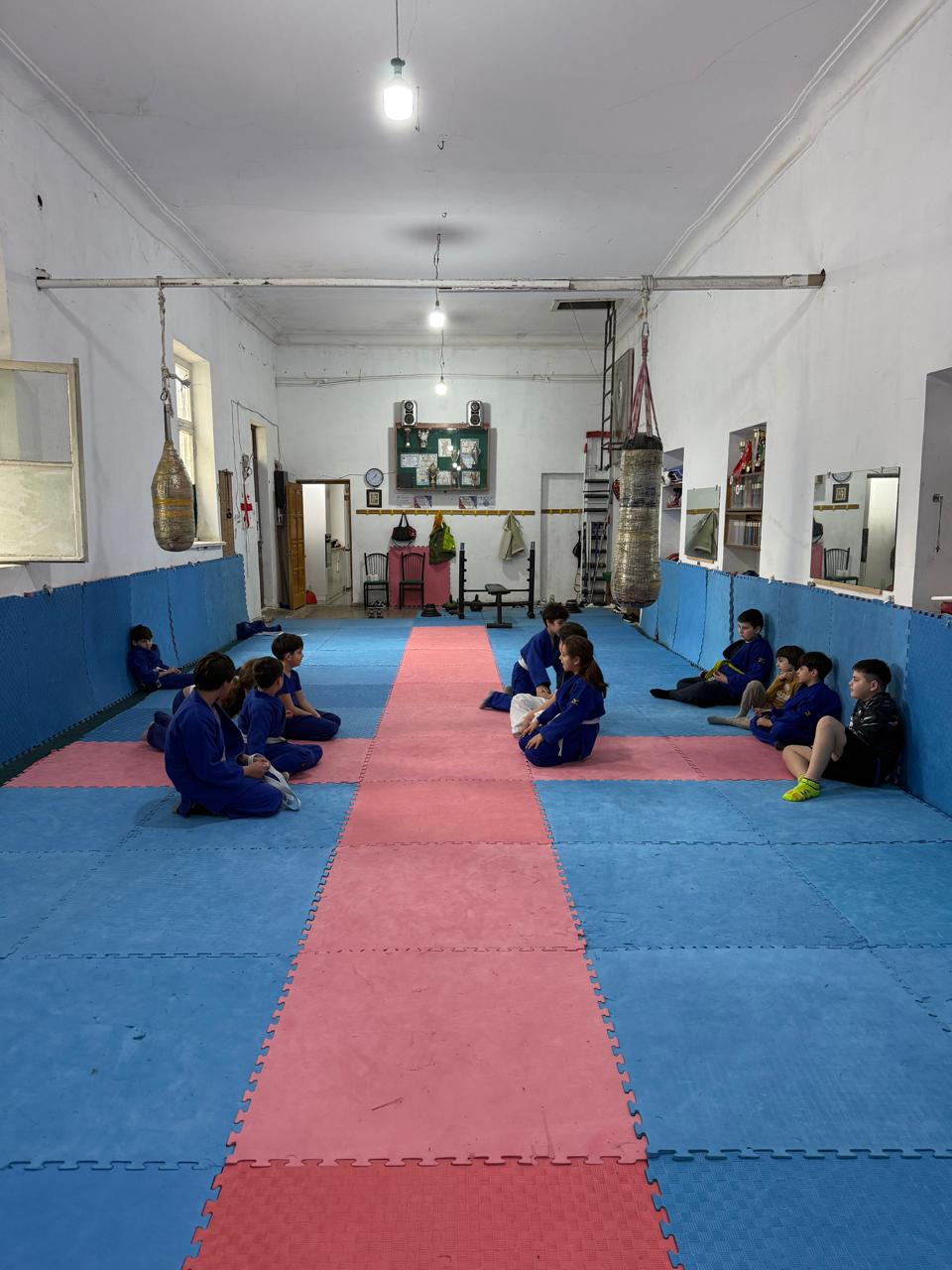
Safe Physical Development
Jiu-Jitsu is built on technique and leverage, not strikes - that's the key difference from other combat sports. Kids develop physically, gaining coordination, flexibility and endurance, while the risk of injury stays minimal. Training like this builds a healthy activity habit from an early age and helps balance out time spent in front of a computer or phone screen.
Discipline and Focus
Jiu-Jitsu classes follow a consistent structure - listening to the coach, following instructions precisely, keeping order on the mat. Kids get used to patience and focus, which gradually carries over into schoolwork too. Refining each technique is a gradual process, and it makes clear that results come from effort and repetition, not overnight.
Confidence Without Fear
Knowing how to control their own body and basic self-defense techniques builds a child's confidence - not toward aggression, but toward calm. A child who trusts their ability to protect themselves feels less need to prove anything by force in front of others. This matters especially during adolescence, when self-esteem is still taking shape.
Respect and Teamwork
Respect for training partners, the coach and peers is an inseparable part of Jiu-Jitsu culture. Kids learn teamwork, how to handle winning and losing with dignity, and respect for other people's abilities - skills that go far beyond the training mat and show up in everyday relationships too.
A Sport That Brings Families Together
Jiu-Jitsu often becomes a family activity - parents and children, sisters, brothers, training together or sharing each other's progress. This strengthens family bonds and gives the child a sense that the sport is a valuable part of their life, not just an obligation.
Jiu-Jitsu offers a child a balance between physical activity and inner growth. It builds not just a strong body, but a disciplined, confident and respectful person - qualities that matter in life regardless of whether the child goes on to pursue the sport professionally.
2 min read
Ready for your first class?
Book a free trial class on WhatsApp — we'll reply within minutes.
Book a Free Trial on WhatsApp