What's the Best Age to Start Jiu-Jitsu?
"What age should I start Jiu-Jitsu at?" is one of the most common questions clubs get - often from a parent, sometimes from an adult about to start the sport themselves. Most people want one clean answer: "age 6" or "age 8". In reality, the answer is a lot more nuanced than a single number.
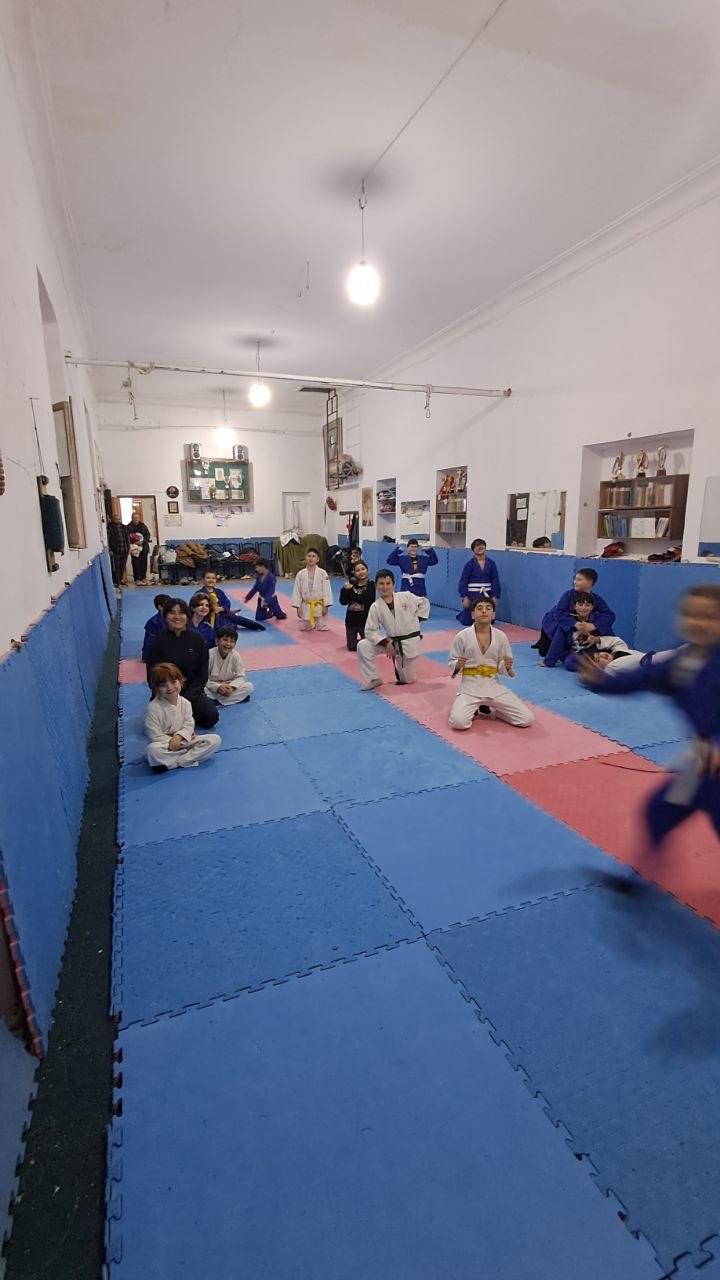
Jiu-Jitsu is one of the rare sports that can genuinely be started at almost any age - from a 4-year-old child to someone well past 60. Different ages simply call for a different approach and different expectations.
Early Childhood: Ages 4-6
The IBJJF, Jiu-Jitsu's largest international federation, sets age divisions starting at 4, though at this age the focus isn't technique so much as basic motor skills, balance, and the ability to listen to an instructor - which is why many clubs run game-based programs for this age group. Structured technique and partner work tend to "click" better from around age 5-6, once a child can hold focus longer and follow instructions in sequence. That's why many coaches treat this age as the real starting point.
School Age: Ages 7-12
This stretch is often called Jiu-Jitsu's "golden age." A child's physical coordination and ability to absorb information are already developed enough for real technical material - positional control, balance, and leverage-based technique. This is also when kids get their first chance at competition, though most coaches recommend building a love for the technique and the process itself before chasing results. A child who falls in love with training first, and meets competition second, is far less likely to walk away from the sport after a first loss.
The Teen Years: Ages 13-17
Adolescence is a particularly meaningful window for Jiu-Jitsu, since this is exactly when a teenager's self-esteem and sense of identity are taking shape. A sport built on technique and leverage rather than raw physical strength gives a teenager real grounds for confidence and helps build discipline at a time when outside pressures - peers, social media - are especially strong. Someone starting Jiu-Jitsu for the first time at this age loses nothing: a 13-14 year-old already has enough physical and psychological maturity to pick up technique quite quickly.
Young Adult Beginners: Ages 18-29
Physiologically, this is arguably the most "convenient" age to start Jiu-Jitsu: the body is fully developed, recovery is fast, and adapting to intense training tends to come relatively easily. This is exactly why most adults who didn't start as kids pick up the sport at this age, usually looking for fitness, self-defense, or simply a new challenge. The early technical gap compared to experienced training partners closes fairly quickly, since motivation and the capacity for deliberate learning are often stronger in adulthood than they were in childhood.
The "Too Late to Start" Myth: Age 30+
One of the most common misconceptions is that there's an age ceiling for starting Jiu-Jitsu. The opposite is actually true: the IBJJF itself runs separate "Masters" divisions starting at age 30 (30-35, 36-40, and so on, all the way past 55), which shows the sport is built around the presence of experienced, older athletes - and people successfully start it, and keep training for years, well after 30, 40, 50 and 60. The main difference at this age is pacing: training intensity should ramp up gradually, recovery takes longer, and it's especially important to choose a coach focused on safe, long-term development rather than pushing hard sparring from day one. Anyone with a pre-existing health condition should check with a doctor first.
What the "Best Age" Really Depends On
From everything above, it's clear there's no single universal answer - it all depends on the goal. If the goal is laying an athletic foundation as early as possible, age 5-7 is the logical choice. If the priority is building a child's discipline, confidence, and basic self-defense skills, school age (7-12) offers the best balance. If the goal is supporting a teenager through a psychologically demanding stretch, the teen years (13-17) fit just as well - and if it's about fitness, stress management, or self-defense in adulthood, whether that's 18, 30 or 50 genuinely doesn't matter. The only truly "wrong" time to start Jiu-Jitsu is the moment someone decides not to start at all, purely because of their age.
Jiu-Jitsu is one of the rare sports that's equally open to a 4-year-old and a 50-year-old adult. Starting early (roughly from age 5-7) genuinely gives a child a certain edge in building technical fundamentals, but that's no indication whatsoever that starting later comes with any real disadvantage. In the end, the "best age" is simply the moment someone - or, for a child, their parent - feels genuinely ready and willing to start. An experienced coach and consistent training take care of the rest.
4 min read
Ready for your first class?
Book a free trial class on WhatsApp — we'll reply within minutes.
Book a Free Trial on WhatsApp